
Person
Galib, God of Disease
Mentioned character in Dark Souls II
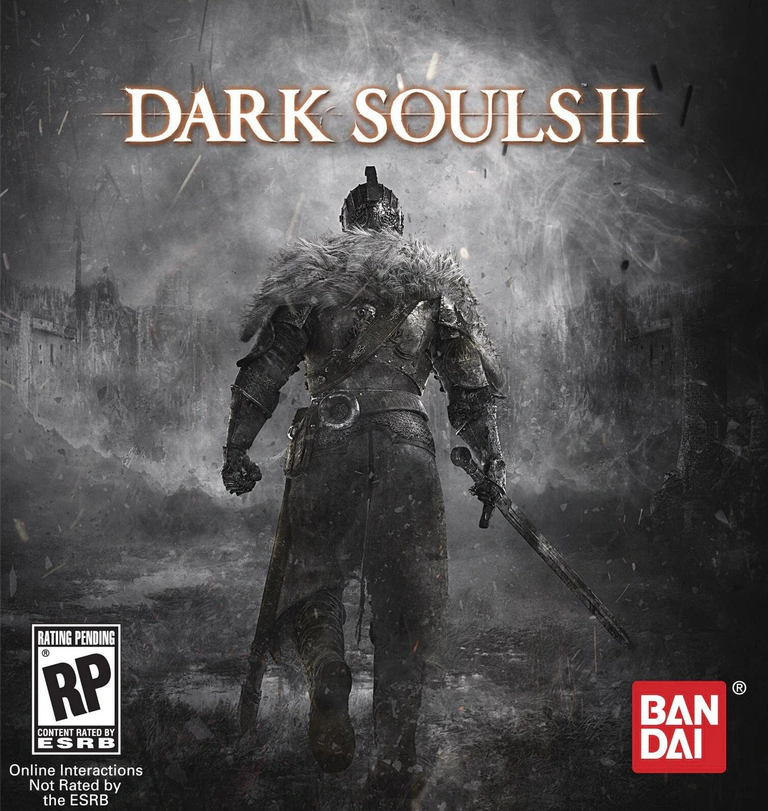
Galib, God of Disease (病の神ガリブ) is a mentioned character in Dark Souls II.

Lore
Galib is the god of disease worshipped by the Leydia apostles, a magically-adept cult. It was comprised of witches, well-versed in all kinds of magical arts, as well as pyromancers who could cast sorcery through their magic-imbuded swords.
Galib's followers would end up joining the Fenito in the Undead Crypt. There, they grew conceited, occupying the ancient burial site and misusing and disrespecting death. The witches, true to their title as Galib worshippers, also began manipulating the spread and curing of disease as they pleased, becoming the crypt's gatekeepers. These actions earned them the wrath of the Grave Wardens, who branded them as blasphemous traitors and slaughtered them all, denying them a proper death and employing them to protect the crypt as a punishment for their arrogance.
His symbol varies between game versions. In Dark Souls II, it's the icon used for poison and poison build-up, while in Scholar of the First Sin it was changed into the curse and curse build-up icon that previously belonged to the Goddess Caitha, which still denotes his affinity for death.
Theories
It's possible that Galib is connected to Gravelord Nito, perhaps even being the name he was given by the people of Drangleic and its adjacent lands. After all the Gravelord's name has long been forgotten, not even being uttered by his own creations, therefore new followers would have to find a different name to use for him.
Galib is connected to disease, while Nito could summon a miasma that acted as a "toxin to all living beings". The Leydia Witches themselves don't employ simple poison spells, instead using what appears to be Dark Fog, a hex that acts like poison but actually corrodes someone's inner essence. It could explain the reason why the Fenito allowed the Leydia apostles to live beside them initially, perhaps spurned by an ideological and cultural common ground.
However, it must be noted that no other Old One is given an alternative name in Dark Souls II, only being known from their ancient titles or current attributes, so Nito being Galib would appear to break this pattern for him alone. For this reason, it is probably more likely that Galib is just connected to Nito somehow, rather than being the Gravelord himself.
Sources
Adapted from the original article, under CC BY-SA 3.0.